Français
 Nederlands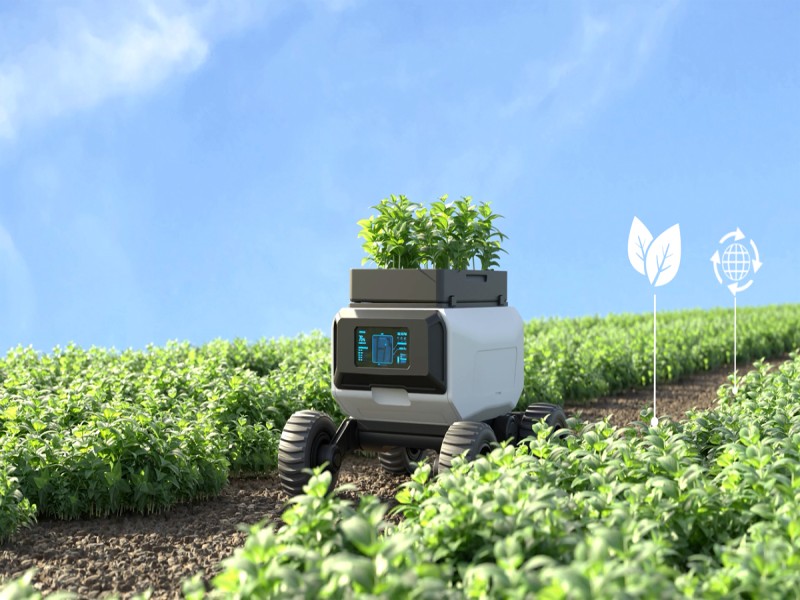
The digital transformation of horticulture
Modern horticulture is undergoing a profound transformation through the integration of advanced technological solutions. These developments are essential to meet the growing global demand for food while simultaneously reducing the ecological footprint. By utilizing precision farming, growers can apply resources such as water, fertilizers, and pesticides much more targeted. Sensors in the soil and greenhouse continuously measure the needs of the plant, keeping waste to an absolute minimum.
In addition, automation ensures that physically demanding and repetitive tasks are taken over by smart systems, leading to higher productivity and constant product quality. This technological progress enables the sector to continue performing optimally under diverse climatic conditions and to minimize dependence on external factors.
Sustainability through smart data management
Besides efficiency, technology plays a crucial role in making the sector more sustainable. Through the use of data analysis and artificial intelligence, gardeners gain deep insights into growth processes that were previously invisible. Predictive models help detect diseases and pests in a timely manner, allowing for preventive measures instead of curative interventions that are often harmful to the environment. The rise of vertical farming also contributes to a more sustainable ecosystem.
In such controlled environments, water consumption is reduced by up to ninety percent compared to traditional cultivation methods. Moreover, energy management systems, such as heat and cold storage and LED lighting, ensure a significant decrease in CO2 emissions. This makes horticulture less dependent on fossil fuels and makes a circular economy within the sector increasingly feasible. The result is a robust food system ready for tomorrow's challenges.
Innovation as a driver for the future
The future of horticulture is shaped by the synergy between biology and robotics. Advanced harvesting robots can now pick delicate crops with a precision previously only possible by human hands. This not only solves labor shortages but also increases food safety by reducing contact moments. Furthermore, the integration of the 'Internet of Things' (IoT) ensures seamless connectivity between various devices in the production process.
This automation strengthens the competitive position of modern horticultural companies in the global market. Through continuous innovation, the sector becomes not only more efficient and sustainable but also more attractive to young talent wanting to work on technological solutions for global problems. Investing in these technologies is not a luxury, but a necessity to ensure the long-term continuity and profitability of the sector in a rapidly changing world.