Français
 Nederlands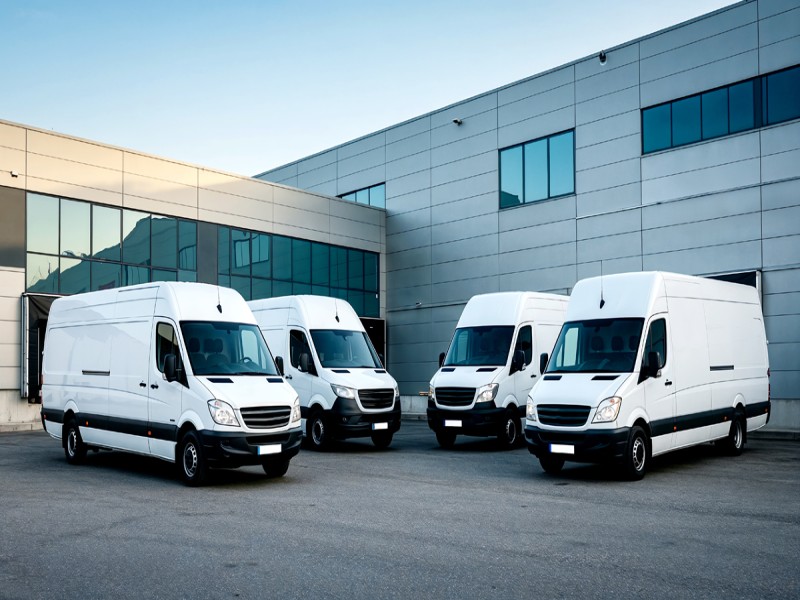
The impact of stricter van regulations
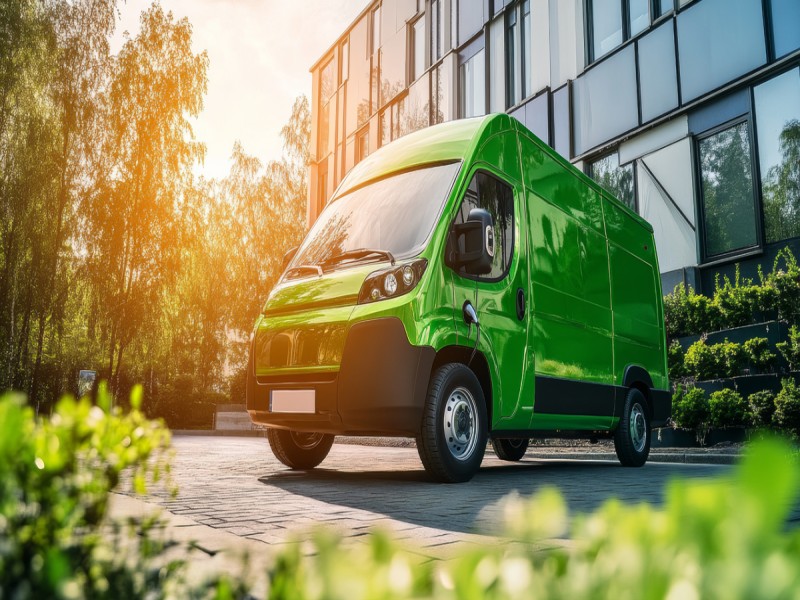
The introduction of stricter environmental zones in urban areas is having a significant impact on the logistics sector and businesses that depend on vans. Cities are aiming for better air quality and a healthier living environment by excluding polluting vehicles from the city center. For many entrepreneurs, this means they must invest in cleaner vehicles, such as electric vans, or fundamentally review their logistics processes.
The policy primarily focuses on limiting nitrogen oxide and particulate matter emissions. Older diesel vehicles are often no longer welcome, leading to a forced fleet replacement. This process requires not only a significant financial investment but also a strategic reorientation. Companies must consider the range of new models and the availability of charging infrastructure within urban cores. The transition to an emission-free fleet is for many a challenging but necessary step to operate in city centers in the future.
Strategic solutions for entrepreneurs
To continue meeting the stricter requirements in urban environmental zones, entrepreneurs must organize their logistics smartly. It is not always necessary to replace the entire fleet immediately. Some companies opt for 'city hubs' on the outskirts of the city, where goods are transferred to smaller, emission-free vehicles for the last few kilometers. This approach can increase efficiency and spread the costs of replacing large vans.
In addition, it is crucial to stay informed about specific local regulations, which may vary by municipality. Some cities offer transition schemes or subsidies for entrepreneurs switching to sustainable transport. By taking action in time and utilizing fiscal benefits, entrepreneurs can mitigate financial pressure. Optimizing routes using modern software also plays a major role in reducing total emissions. Sustainable business operations are nowadays not only a legal obligation but also an important part of a modern business image that customers value.
The future of urban distribution
The shift toward emission-free zones is an irreversible trend that will structurally change urban distribution. As more cities implement such rules, the demand for electric vans and innovative logistics concepts will only increase. This creates opportunities for new market players specializing in 'last-mile' deliveries using bicycles or small electric vans. The transition to a cleaner climate forces the sector toward innovation and creativity.
Although current regulations involve concerns about costs and operational feasibility for many entrepreneurs, they also offer advantages. Cleaner transport contributes to a more livable city, which is beneficial for everyone in the long run. Moreover, these rules force companies to make their logistics processes more efficient, which can lead to lower operational costs over time. Ultimately, efficient planning, supported by technological advancement, will be the key to successful business in tomorrow's changing urban environment.