Français
 Nederlands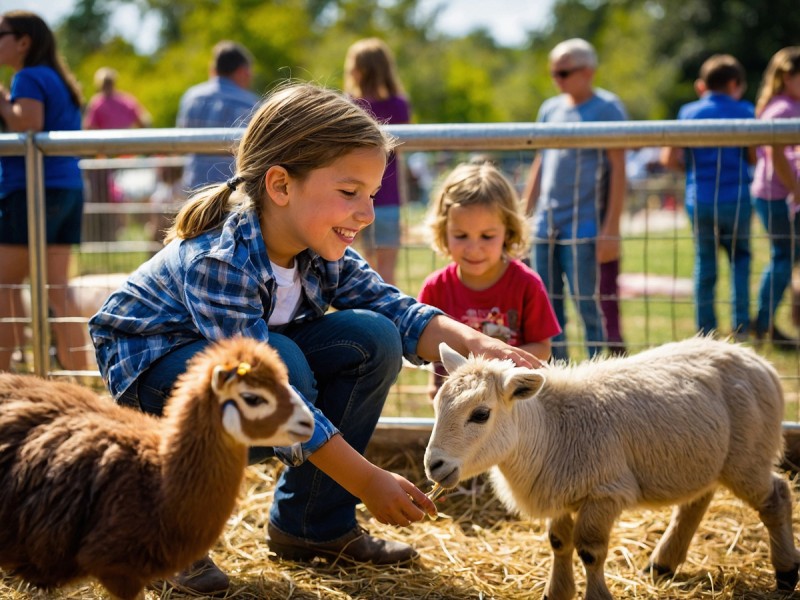
The Rise of Ecological Agriculture in Belgium
In recent years, Belgium has experienced a remarkable shift in the way food production is viewed. Traditional large-scale farming is increasingly being complemented and challenged by small-scale organic initiatives. Organic horticulture is no longer focused solely on maximizing yields but instead emphasizes soil health, biodiversity, and the local distribution of produce. Consumers have become more aware of the environmental impact of their food choices, resulting in a growing demand for transparent and sustainable supply chains. Local farmers have responded by building direct relationships with consumers through farmers' markets, short supply chains, and vegetable subscription boxes. This close connection between producers and consumers strengthens trust while ensuring fairer pricing for growers.
Urban agriculture and community gardens are also becoming increasingly popular. Across Belgium, more unused land is being transformed into green spaces where residents grow their own vegetables, fruits, and herbs. These initiatives not only strengthen community ties but also help people reconnect with the origins of their food. Schools, associations, and local authorities actively support these projects because they contribute to education, public health, and environmental awareness.
There is also growing interest in traditional and locally adapted crop varieties that are better suited to Belgium's climate. By cultivating a wider range of vegetables, fruits, and herbs, biodiversity is enhanced and crops become more resilient to diseases and changing weather conditions. This diversity also reduces dependence on imported products and contributes to a stronger and more resilient food supply.
Sustainable Techniques for a Healthier Future
Innovation plays a crucial role in the growth of the sector. While organic farming was once considered less efficient, modern growers have proven otherwise by combining advanced technologies with ecological principles. The use of natural predators for pest control, together with precision irrigation techniques, allows water and nutrients to be used more efficiently. This sustainable approach is essential at a time when climate change is placing increasing pressure on agricultural stability. By improving soil fertility through crop rotation and organic fertilization, growers ensure that their land remains productive for many years. This forms the foundation of a resilient food system capable of withstanding extreme weather conditions and soil degradation.
More and more agricultural businesses are investing in rainwater harvesting systems, solar panels, and energy-efficient greenhouses. By reducing energy consumption and making greater use of renewable energy sources, growers can significantly reduce their environmental footprint. At the same time, digital sensors and smart software enable irrigation, fertilization, and climate control to be precisely adjusted according to the actual needs of the crops, minimizing waste and maximizing efficiency.
Composting also plays an essential role in sustainable horticulture. Organic waste is transformed into nutrient-rich compost that improves soil structure and stimulates beneficial soil life. Healthy soil retains more water, supports a rich diversity of microorganisms, and produces stronger plants that are naturally more resistant to diseases and pests. As a result, the need for external fertilizers decreases while valuable resources are continuously recycled within a natural growing cycle.
Economic Opportunities and Social Impact
The social value of this movement should not be underestimated. Besides producing healthy food, ecological farms contribute to preserving natural landscapes and enhancing biodiversity in both rural and urban areas. This creates a positive cycle in which consumers are increasingly willing to invest in their local communities. Ensuring the economic viability of young farmers remains an important challenge. Fortunately, governments are providing increasing support through grants, subsidies, and educational programs that lower the barriers to entering the sector. The success of Belgium's organic farming industry is therefore not a temporary trend but a long-term structural transformation. It promotes healthier lifestyles, strengthens local economies, and simultaneously reduces environmental impact. It is a sector that continues to flourish thanks to dedication and a shared vision of a sustainable future for generations to come.
For many farmers, the growing demand for organic products creates valuable new business opportunities. Consumers are increasingly willing to pay fair prices for locally produced food with a transparent origin. This encourages long-term partnerships between farmers, restaurants, local retailers, and food cooperatives. The export of high-quality Belgian products also creates additional opportunities for businesses that prioritize sustainability and innovation.
The sector also fulfills an important educational role. Open farm days, guided tours, and workshops allow the public to gain a better understanding of modern farming practices and the challenges growers face every day. Young people are introduced to sustainable food production and are encouraged to make more conscious choices regarding food, nature, and the environment. This growing awareness contributes to a society in which sustainable living becomes increasingly natural.
The future of ecological agriculture in Belgium therefore looks highly promising. By combining innovative technologies, local cooperation, and increasing environmental awareness, the sector is developing into an agricultural model that is both economically viable and environmentally responsible. As more consumers choose locally produced and sustainable food, ecological agriculture will continue to expand and play an increasingly important role in Belgium's food supply.