Français
 Nederlands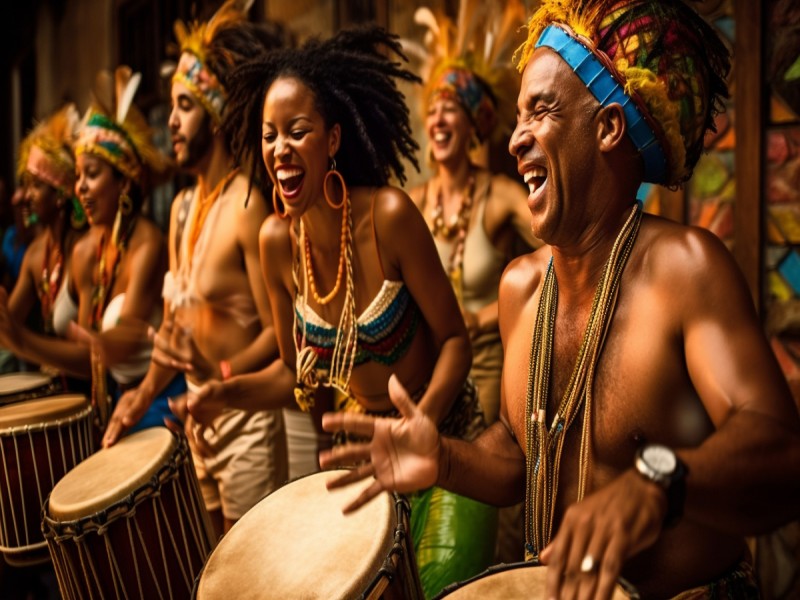
The rhythmic heartbeat of the community
Have you ever wondered why a drum like the djembe has such a profound impact on people? It is not just an instrument; it is the soul of social gatherings. For generations, this drum has served as the center where stories, emotions, and traditions converge. When the first beats sound, something magical happens: people stop talking, the bustle of the day disappears, and everyone focuses on the collective rhythm. The power of connection is the engine here. The beauty is that you don't need to be an expert to participate. The accessibility of the instrument ensures that young and old, experienced musicians and absolute beginners, all end up on the same track. It is a universal language that breaks down barriers and creates a sense of unity that is rarely achieved so naturally in our modern, fragmented world.
The djembe is more than just a source of sound; it is a catalyst for emotional expression. In the past, and even today, the drum serves to celebrate joy or process sorrow. The rhythm acts as a kind of emotional foundation within which everyone can feel safe. Whether it is a party in the backyard or a large-scale cultural event, the drum commands attention and compels a shared experience. It is precisely this power that ensures the tradition does not die out, but is passed on to the next generation, who rediscover the importance of togetherness.
A legacy that continues to resonate
The influence of the djembe on the human psyche is surprisingly significant. Scientifically, it has been proven that synchronous drumming has a positive effect on stress levels and strengthens group cohesion. But let's be honest, you don't need scientists to feel that it works. The physical vibrations that run through your body when you play along or stand close to the drum create a form of energy that is contagious. It is a form of non-verbal communication that is far more powerful than words. People who didn't know each other before find a way to work together through the rhythm without a single word being spoken. Creating a shared rhythm is a powerful symbol for how we as humanity could function together in a world that is often out of balance.
Additionally, preserving this tradition is crucial for the identity of many communities. The stories linked to the drum tell of ancestors, victories, and the wisdom of the past. By holding on to these musical roots, we anchor ourselves in history while looking toward the future. Socializing is the anchor point here; as long as we make music together, we are connected to each other and to our roots. The djembe will therefore always remain relevant, because the human need for contact and rhythm is unchanging. It is a timeless tool for a timeless goal: finding each other in the moment, regardless of where you come from or what your background is. The drum calls, and we answer with our hands and our hearts, generation after generation.